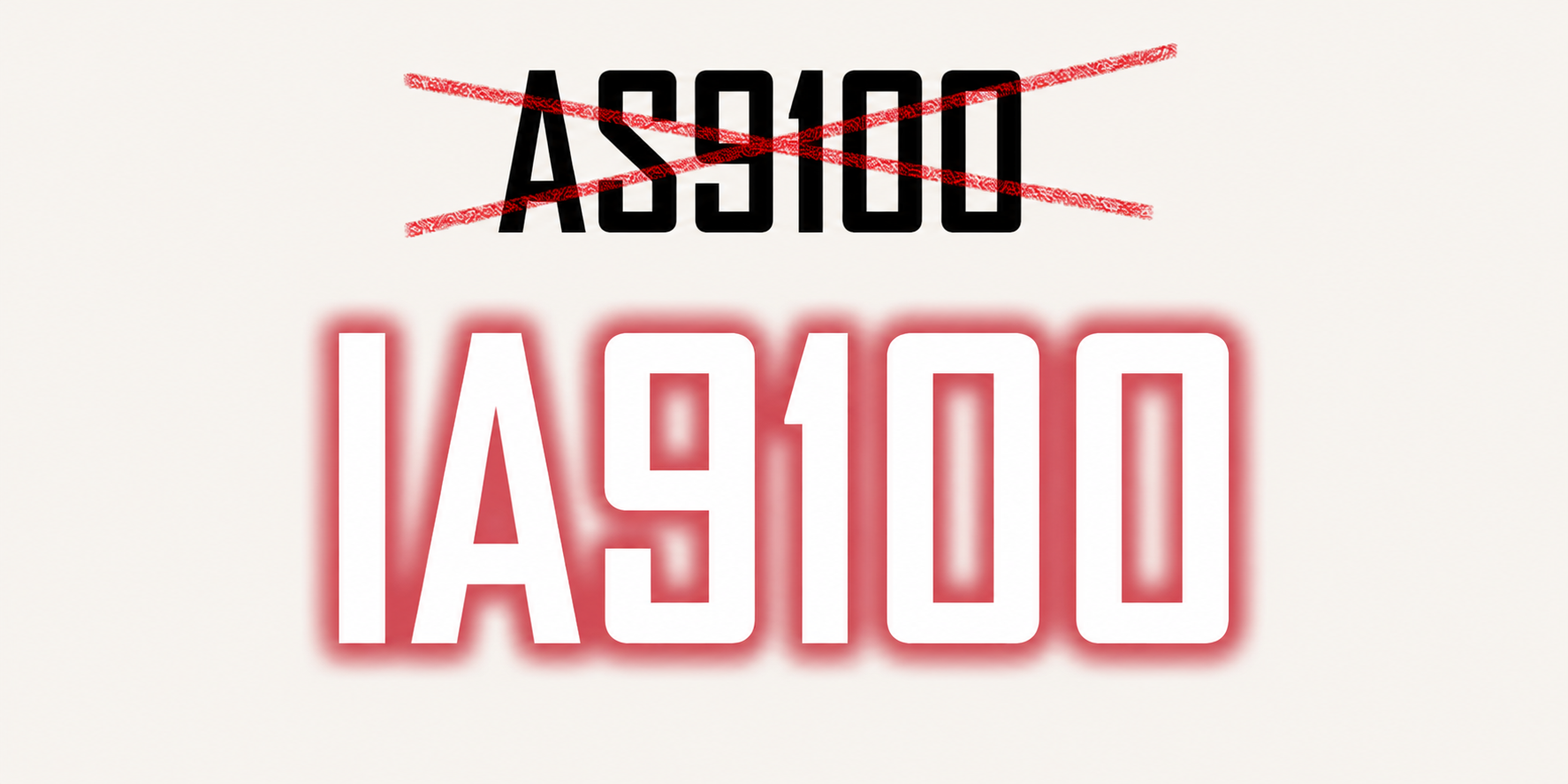
Why Documentation Alone Cannot Secure Aerospace Supply Chains
Aerospace supply chains have traditionally relied on documentation such as FAA 8130-3 and EASA Form 1 certificates to verify that aircraft parts were manufactured, inspected, or repaired according to regulatory standards. However, documentation alone cannot guarantee authenticity because documents are not physically bound to the component they describe. This creates vulnerabilities where certificates may be copied, reused, edited, or transferred between parts. As aircraft components move through complex global maintenance networks—including airlines, repair stations, distributors, and brokers—the risk of documentation errors or manipulation increases. Many experts now advocate linking documentation to a unique physical identity embedded directly in the component. Technologies such as microscopic surface patterns, material signatures, and optical identifiers allow each part to carry a verifiable physical fingerprint. Combining physical authentication with digital documentation helps ensure that the component being inspected is the same part referenced in the certification records, significantly improving trust across aerospace supply chains.