Most luxury products carry an identity. Very few carry their own.
A batch code on a box, a reference number stamped on hardware, a card printed with a style and season. These identify a production run. They say that a product belongs to a group of thousands. They do not say which one it is.
For decades, that was good enough. It isn't anymore.
The OECD and EUIPO estimate global trade in counterfeit goods at $467 billion, and luxury categories remain among the most targeted. At the same time, resale has turned every product into a long-lived asset that changes hands several times. Regulation is adding pressure too. The EU's Digital Product Passport will require products to carry a verifiable digital record. Brands that treat identity at the batch level are now carrying risks the market no longer tolerates.
What batch-level identity actually protects
A batch code protects logistics. It tells you which factory, which run, which shipment. That matters for operations. It does very little for the product in a customer's hands.
Here is the core problem. One valid code covers every item in the batch. If that code is copied once, it can be copied onto a thousand fakes, and every one of them will check out.
Five places batch identity breaks
1. The superfake with a real number
Counterfeiters no longer guess serial numbers. They copy real ones from genuine products, listings and receipts. A valid batch code on a high-quality fake passes any check that only reads the code. The number is real. The product is not.
2. The returns swap
A customer buys a genuine piece, returns a counterfeit in its place and keeps the original. The returned item carries the right packaging and the right reference number. Without item-level identity, the store cannot prove it received something different from what it sold. The fake goes back into inventory.
3. Gray market diversion
An authorized partner in one region sells stock into another. The brand finds its products in an unauthorized channel. A batch code says which shipment they came from. It cannot say which partner diverted which pieces, so enforcement turns into an argument instead of a case.
4. Resale authentication by inspection
Secondary market authenticators check stitching, fonts, hardware weight and dozens of other details, often more than 70 points on a single handbag. The process is slow, expensive and subjective. Each resale starts from zero, because nothing on the product proves it is the same item the brand made.
5. Quality and recall
A plating defect affects part of a production run. With batch identity, the brand pulls everything. With item-level identity, it pulls only the affected pieces and knows exactly where they went.
Why brands haven't serialized every item already
The case for item-level serialization isn't new. The barriers have been practical.
- Design: an earring, a ring, a buckle or a clasp has no room for a chip, a tag or a visible code. Luxury brands will not compromise a design for a security feature.
- Durability: labels peel, chips fail, and printed codes wear off. Identity has to last as long as the product, often decades.
- Cloneability: most item-level methods still rely on a number. QR codes, serial stickers and even many NFC chips can be copied, moved or reused on a counterfeit.
- Manufacturing: serializing millions of units can't slow down production or add a new process at every workshop.
So brands compromise. They serialize the bags and leave the accessories at batch level. They protect the hero product and accept the risk everywhere else.
What item-level identity has to deliver
For serialization to work across a full luxury catalog, the identity must be:
- Seamless: no change to the design, the look or the production line.
- Secure: unique to one item, impossible to copy, and bound to the product itself rather than to its packaging.
- Sustainable: built to last the full life of the product, through resale, repair and return.
How DUST does it
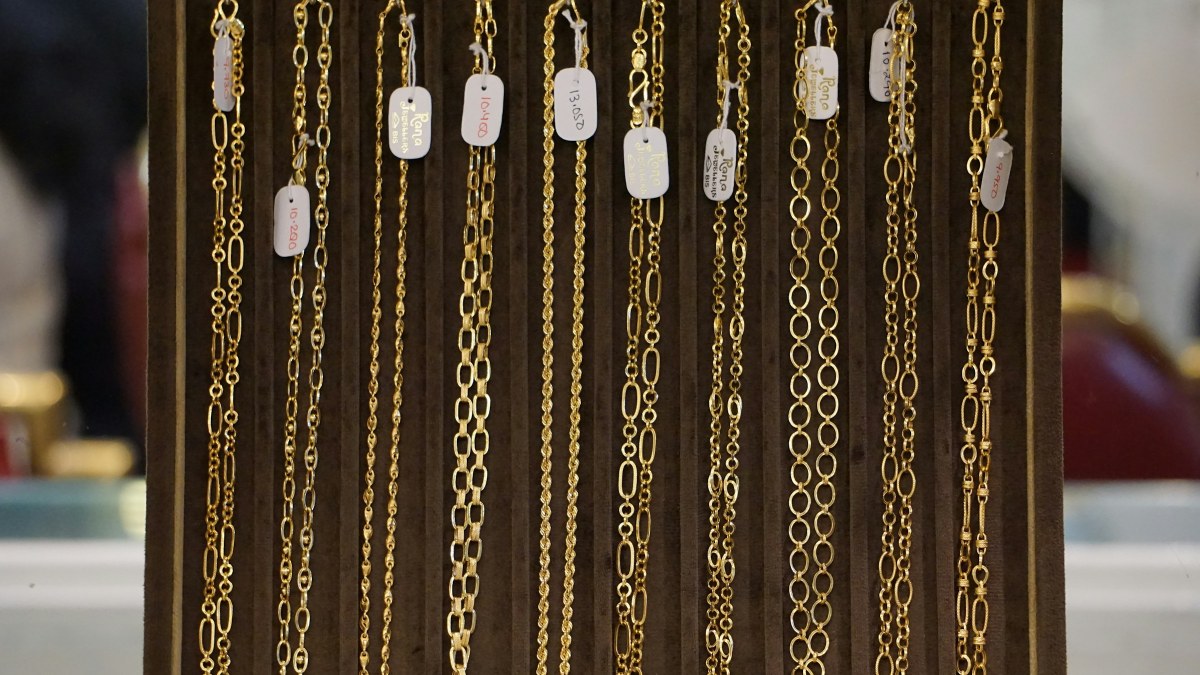
DUST applies a tiny marking made of diamond particles directly to the product. The particles settle into a random pattern that cannot be copied or recreated, even by DUST. The marking can sit on hardware, metal, leather, fabric or a jewelry setting, at a size that leaves the design untouched.
At the end of production, a scan enrolls each item's pattern and links it to its digital record. From then on, any scan, including one from a smartphone camera, confirms whether the item is the original.
Apply that to the five failure points:
- Superfakes: a copied number means nothing. The fake has no matching pattern.
- Returns: the store scans the returned item. A swap fails on the spot.
- Gray market: each item's record shows its authorized channel. A diverted piece points to its source.
- Resale: authenticate once at manufacture. Every future owner verifies in seconds.
- Recalls: pull the affected items, not the whole run.
The shift is already underway
Leading houses are moving from batch control to item-level identity across entire collections, including small accessories that were never practical to serialize before. Digital Product Passport requirements will speed this up. A passport is only as trustworthy as the link between the record and the physical product. Item-level identity is what makes that link hold.
Batch codes will keep their place in logistics. But as proof that a product is genuine, one code for ten thousand items is a risk the market can no longer carry.
Talk to us
DUST works with luxury brands to serialize every item, from handbags to earrings, without changing design or production. Request a demo to see item-level authentication in action.