The global luxury resale market is growing rapidly. Handbags, watches, jewelry, and collectibles are changing hands across marketplaces, consignment platforms, and peer-to-peer networks at unprecedented scale.
But behind every successful transaction lies a difficult and time-consuming process: authentication.
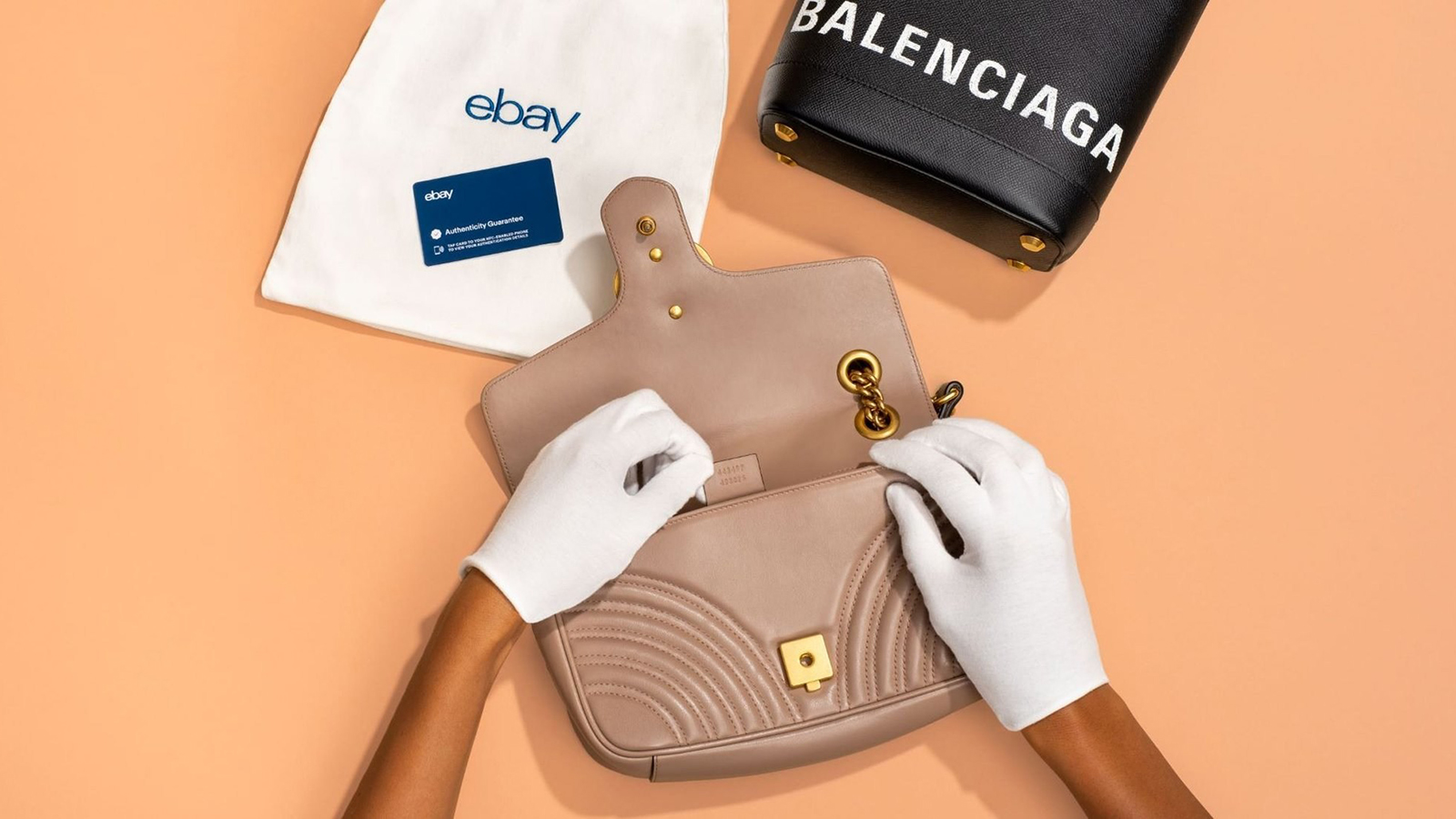
Authenticating a luxury product—especially high-end handbags—can take one to two hours per item and often involves inspecting up to 72 different verification points. This process requires trained experts, specialized knowledge of brand manufacturing techniques, and careful physical examination.
Understanding why so many inspection points are necessary reveals both the complexity of luxury manufacturing and the growing sophistication of counterfeit products.
How Authenticators Examine Luxury Products
Luxury authentication is essentially a forensic inspection process. Experts analyze dozens of visual and structural characteristics that collectively indicate whether an item was produced by the original brand.
Rather than relying on a single identifier, authenticators look for consistency across many small details.
For example, a luxury handbag authentication may include inspection of:
- Stitching patterns and stitch count per inch
- Leather grain and texture
- Logo placement and typography
- Heat stamps and embossing depth
- Hardware engravings and finishes
- Interior labels and tags
- Serial numbers and date codes
- Edge paint quality
- Lining materials
- Construction methods
Each of these elements must match the manufacturing standards used by the brand.
No single detail proves authenticity. Instead, authenticators look for a pattern of alignment across dozens of characteristics.
Why So Many Inspection Points Are Necessary
The reason luxury authentication requires so many inspection points is simple: counterfeiters copy the obvious features first.
Logos, monograms, labels, and packaging are typically the easiest aspects to replicate. As counterfeit manufacturers improve, these elements increasingly look indistinguishable from genuine products.
Authenticators therefore rely on deeper signals that are harder to replicate consistently, such as:
- Precision of stitching alignment
- Material quality and thickness
- Microscopic differences in engraving techniques
- Manufacturing tolerances in hardware components
By checking dozens of these details, experts reduce the risk of accepting high-quality counterfeits.
The process is intentionally redundant: multiple indicators must agree before an item is declared authentic.
The Growing Sophistication of Counterfeit Products
Counterfeit luxury goods have become dramatically more sophisticated over the past decade.
Many counterfeit operations now operate with:
- Industrial-grade manufacturing equipment
- Access to high-quality materials
- Detailed reverse engineering of genuine products
In some cases, counterfeit products may even contain authentic components.
For example, counterfeit handbags may include:
- Genuine zippers or hardware purchased from secondary markets
- Real leather components mixed with fake ones
- Reused labels from damaged authentic products
These hybrid items make authentication even more challenging because some elements may be legitimate while others are not.
As a result, authenticators must inspect the entire product, not just the most visible elements.
The Expertise Required
Performing these inspections requires specialized expertise.
Authenticators often develop deep familiarity with specific brands, including:
- Manufacturing variations across different production years
- Factory-specific stitching techniques
- Subtle changes in logo typography over time
- Material sourcing differences between product lines
This knowledge cannot easily be automated or standardized.
It is built through years of experience handling thousands of items.
For resale platforms handling large volumes of products, maintaining enough trained experts becomes a significant operational challenge.
The Scalability Problem for Resale Platforms
As second-hand marketplaces grow, the authentication process becomes a major bottleneck.
Each item must be:
- Received by the platform
- Physically inspected by an expert
- Evaluated across dozens of criteria
- Approved before it can be listed or shipped
If authentication takes one hour per item, a platform processing 10,000 items per week requires thousands of hours of expert labor.
This creates several challenges:
- Authentication delays
- High operational costs
- Limited marketplace throughput
In other words, manual authentication does not scale easily with marketplace growth.
The Limitation of Visual Inspection
The traditional authentication model depends heavily on visual inspection and expert judgment.
While this approach has worked historically, it faces increasing pressure as counterfeit quality improves.
Two fundamental limitations exist:
- Visual inspection must be repeated each time the item changes hands
- The item itself does not carry a permanent proof of authenticity
Instead, authenticity is inferred from craftsmanship details that can be copied, modified, or obscured.
This is why authentication must be repeated over and over again throughout a product’s lifecycle.
Moving Toward Product-Level Identity
A different model is emerging for high-value goods.
Instead of relying entirely on repeated manual inspection, products can carry permanent physical identities that are directly bound to the item.
These identities allow products to be verified instantly without repeating a full inspection process.
Technologies such as diamond-based physical identity tags, like those developed by DUST Identity, create impossible-to-copy fingerprints that can be embedded directly into products or their components.
Once applied, these identities allow marketplaces, brands, and consumers to verify authenticity with a simple optical scan.
From 72 Inspections to Instant Verification
The goal is not to replace expert authentication entirely.
Instead, the industry is moving toward a model where authentication happens once, and verification can occur instantly afterward.
In such a system:
- The initial authentication establishes the product’s identity
- That identity remains permanently attached to the item
- Future buyers or marketplaces can verify authenticity in seconds
This approach dramatically reduces reliance on repeated manual inspections while increasing trust across resale ecosystems.
As the luxury resale market continues to grow, scalable authentication infrastructure will become essential.
The future of luxury authentication will not rely solely on experts examining dozens of small details.
Instead, products themselves will carry their own proof of authenticity.